 |
 |
 |
 |
 |
 |
 |
 |
 |

 |
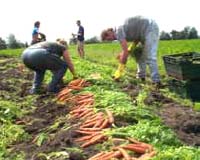
Are Organic Crops As Productive As Conventional
Madison WI (SPX) Mar 26, 2008 Can organic cropping systems be as productive as conventional systems? The answer is an unqualified, "Yes" for alfalfa or wheat and a qualified "Yes most of the time" for corn and soybeans according to research reported by scientists at the University of Wisconsin-Madison and agricultural consulting firm AGSTAT in the March-April 2008 issue of Agronomy Journal. The researchers primarily based their answer on results from the Wisconsin Integrated Cropping Systems Trials, conducted for 13 years (1990-2002) at Arlington, WI and 8 years (1990-1997) at Elkhorn, WI. These trials compared six cropping systems (three cash grain and three forage based crops) ranging from diverse, organic systems to less diverse, conventional systems. The cash grain systems were 1) conventional continuous corn, 2) conventional corn-soybean, and 3) organic corn-soybean-wheat where the wheat included a leguminous cover crop. The three forage based systems were 1) conventional corn-alfalfa-alfalfa-alfalfa, 2) organic corn-oats-alfalfa-alfalfa, and 3) rotationally grazed pasture. In this research they found that: organic forage crops yielded as much or more dry matter as their conventional counterparts with quality sufficient to produce as much milk as the conventional systems; and organic grain crops: corn, soybean, and winter wheat produced 90% as well as their conventionally managed counterparts. In spite of some climatic differences and a large difference in soil drainage between the two sites, the relatively small difference in the way the cropping systems performed suggested that these results are widely applicable across prairie-derived soils in the U.S. upper Midwest. The researchers also compared their results to other data analysis done on this topic in the U.S. Midwest. Although researchers found that diverse, low-input/organic cropping systems were as productive as conventional systems most of the time, there is a need for further research, according to the study's author Dr. Joshua L. Posner, University of Wisconsin. "There continues to be improvements in weed control for organic systems that may close the gap in productivity of corn and soybeans in wet seasons," Posner says. "On the other hand, technological advances may accelerate productivity gains in conventional systems that would outstrip the gains in organic systems even in favorable years." The true question of whether organic cropping systems are as productive as conventional systems is a dynamic question and one that requires continual reevaluation. Community Email This Article Comment On This Article Related Links American Society of Agronomy Farming Today - Suppliers and Technology
 Corn's Roots Dig Deeper Into South America
 Calgary, Canada (SPX) Mar 25, 2008
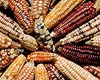
Corn has long been known as the primary food crop in prehistoric North and Central America. Now it appears it may have been an important part of the South American diet for much longer than previously thought, according to new research by University of Calgary archaeologists who are cobbling together the ancient history of plant domestication in the New World. |
|
|

| The content herein, unless otherwise known to be public domain, are Copyright 1995-2007 - SpaceDaily.AFP and UPI Wire Stories are copyright Agence France-Presse and United Press International. ESA Portal Reports are copyright European Space Agency. All NASA sourced material is public domain. Additional copyrights may apply in whole or part to other bona fide parties. Advertising does not imply endorsement,agreement or approval of any opinions, statements or information provided by SpaceDaily on any Web page published or hosted by SpaceDaily. Privacy Statement |